
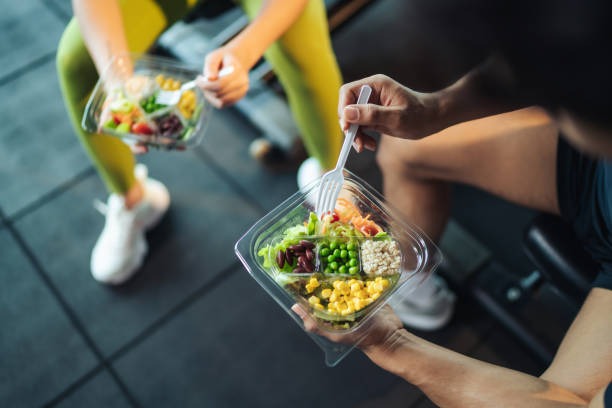
Maintaining a healthy gut lining is essential for overall digestive health and immune function. The gut lining acts as a barrier that controls the absorption of nutrients while preventing harmful substances from entering the bloodstream. Supporting this delicate structure through whole foods can enhance its integrity, reduce inflammation, and promote a balanced microbiome. Whole foods provide a rich array of nutrients, fiber, and bioactive compounds that work synergistically to nourish the cells lining the intestines.
One key component in supporting gut lining health is dietary fiber found abundantly in fruits, vegetables, legumes, nuts, and whole grains. Fiber serves as fuel for beneficial gut bacteria, encouraging their growth and activity. These bacteria ferment fiber into short-chain fatty acids (SCFAs), such as butyrate, which play a crucial role in maintaining the mucosal barrier of the intestines. Butyrate helps strengthen tight junctions between cells in the gut lining and reduces inflammation by modulating immune responses locally within the digestive tract.
In addition to fiber-rich foods, antioxidants present in colorful fruits and vegetables protect intestinal cells from oxidative stress caused by free radicals. Oxidative damage can weaken the gut lining over time; therefore consuming foods high in vitamins C and E along with polyphenols supports cellular repair mechanisms. Berries, leafy best delta 9 gummy greens, citrus fruits, nuts like almonds or walnuts contain these protective compounds that contribute to preserving tissue integrity.
Probiotic-rich fermented foods such as yogurt, kefir, sauerkraut, kimchi or miso introduce live beneficial microorganisms directly into the digestive system. These probiotics help maintain microbial diversity which is vital for competitive exclusion of harmful pathogens and production of metabolites favorable to epithelial cell health. Fermented products also contain enzymes that assist digestion further reducing strain on intestinal tissues.
Healthy fats found in sources like avocados, olive oil and fatty fish supply omega-3 fatty acids known for their anti-inflammatory properties throughout body systems including gastrointestinal tract linings. Omega-3s help regulate inflammatory signaling pathways which otherwise could disrupt normal cell turnover processes within intestinal walls leading to increased permeability commonly referred to as “leaky gut.
Additionally incorporating bone broth or collagen-containing foods may support regeneration of connective tissues underlying epithelial layers due to presence of amino acids glycine and proline necessary for collagen synthesis.
Hydration also plays an important role since water facilitates nutrient transport across membranes while aiding mucus secretion that lubricates intestinal surfaces protecting against mechanical injury during digestion.
Overall adopting a diet rich in diverse whole plant-based items combined with fermented products healthy fats plus adequate hydration creates an environment conducive for optimal gut lining function ensuring robust defense against toxins while maximizing nutrient absorption capacity essential for long-term well-being.